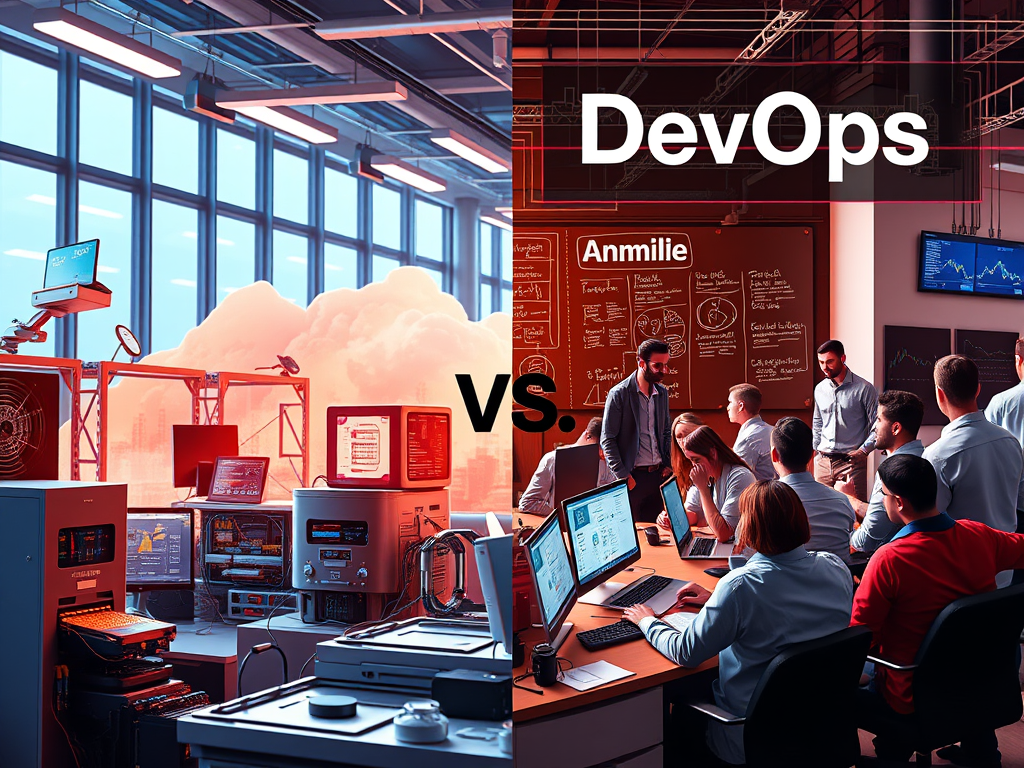
In recent years, tech enterprises have seen a growing discussion around platform engineering vs. DevOps. Both play important roles in modern software development, but their advances and goals differ importantly. In this article, we will find what each correct needs, their similarities and differences, and how they complete each other to provide value to organizations.
What is DevOps?
DevOps is a cultural and technical custom that objective to connect the gap between development and operations teams. DevOps secures faster with DevOps course and more trustworthy software deployments by advancing collaboration, automation and continuous delivery. Key principles of DevOps include :-
- Collaboration :- Breaking down repositories between teams.
- Automation :- Automating repetitive tasks like testing, integration and deployment.
- Continuous Delivery :- Securing software can be reliably released at any time.
- Monitoring and Feedback :- Using tools to monitor systems and gather feedback for improvement.
DevOps improved the way teams work by spotlighting shared responsibility and fast looping.
What is Platform Engineering?
Platform engineering is an developing field focused on building and maintaining internal platforms that streamline development processes. These platforms are designed to provide developers with self service tools, workflows and infrastructure that summarize away complications. The primary goal is to boost developer productivity by minimizing conflict and enabling efficient workflows.
Key aspects of platform engineering include :-
- Developer Centric Platforms :- Creating tools that empower developers to focus on building applications rather than managing infrastructure.
- Scalability :- Ensuring the platform can support growth and handle increased workloads.
- Standardization :- Defining best practices and ensuring consistency across the organization.
- Automation and Abstraction :- Decreasing manual effort by automating continual tasks and summarizing fundamental complication.
While DevOps focuses on cultural and process improvements, platform engineering provides the foundational infrastructure and tools necessary for development teams to thrive.
Fundamental differences Between Platform Engineering and DevOps
While both disciplines share some common goals, there are clear distinctions :-
| Aspect | DevOps | Platform Engineering |
| Focus | Culture and collaboration | Building internal platforms |
| Goal | Faster delivery of software | Enhancing developer productivity |
| Approach | Process oriented | Product oriented |
| Scope | End to end software lifecycle | Tools and infrastructure for developers |
| Team Structure | Cross functional teams | Dedicated platform engineering teams |
How Platform Engineering Complements DevOps
Rather than being competitors, platform engineering and DevOps can work together harmoniously. Platform engineering provides the tools and infrastructure that enable DevOps practices to flourish. For example :-
- Automation :- Platforms can automate deployment pipelines, a key DevOps principle.
- Standardization :- Platform engineering ensures consistent environments, reducing the “it works on my machine” problem.
- Self Service :- Developers can use internal platforms to access resources without waiting for operational approvals, aligning with DevOps’ goal of streamlining workflows.
By combining platform engineering and DevOps organizations can achieve greater efficiency and agility.
Common Challenges
Both disciplines face unique challenges. For DevOps, cultural resistance and misaligned incentives can hinder adoption. Teams may struggle to embrace shared responsibility or automate legacy systems. Meanwhile, platform engineering faces difficulties such as :-
- Over Engineering :- Building overly complex platforms that developers find hard to use.
- Under Utilization :- Platforms that fail to meet developers’ needs, leading to poor adoption.
- Scalability :- Ensuring platforms can handle increasing workloads as organizations grow.
Overcoming these challenges requires clear communication, understanding user needs and iterative improvement.
When to Choose DevOps, Platform Engineering or Both
The choice between platform engineering and DevOps isn’t binary. Instead organizations should evaluate their specific needs :-
- Adopt DevOps :- If your primary goal is improving collaboration, speeding up deployment cycles and fostering a culture of shared responsibility.
- Adopt Platform Engineering :- When your developers spend too much time managing infrastructure or when scaling development teams requires standardized tools.
- Adopt Both :- For organizations aiming to create a seamless, efficient development environment that scales with their needs.
Conclusion
Understanding platform engineering vs DevOps helps organizations choose the right approach to meet their goals. While DevOps engineer emphasizes cultural transformation and process improvement, platform engineering focuses on building robust tools and infrastructure. Together, they can empower development teams to innovate and deliver value faster.
By embracing the strengths of both disciplines, businesses can create a thriving tech ecosystem that supports their growth and agility in an ever changing digital landscape.
 Techinsights
Leave a comment